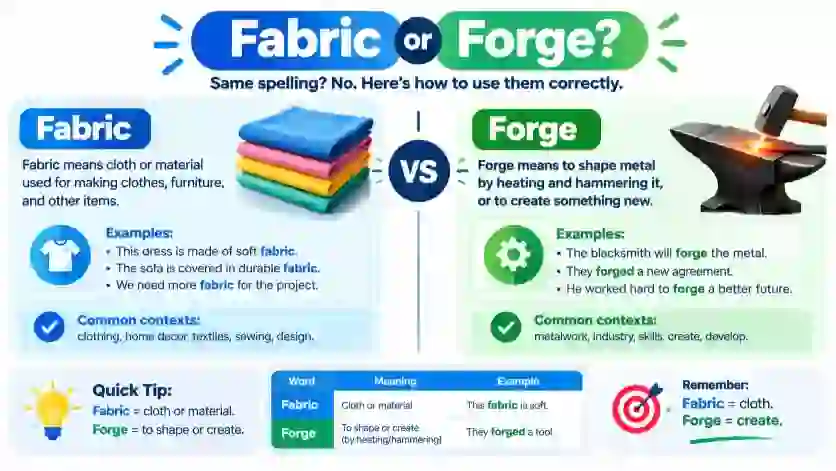
Fabric and forge are different English words: fabric means cloth or the structure of something, while forge means to shape metal or create something falsely. People often search for fabric or forge because the words can look confusing, but they have very different meanings and uses.
If you are talking about clothing, curtains, bags, or other materials, fabric is usually the word you need. If you are talking about heating and shaping metal, forge is the correct word. Forge can also mean to make a fake document or create a strong relationship.
This guide explains the difference between fabric or forge in simple English. You will learn their definitions, origins, common uses, spelling, everyday examples, and common mistakes. We will also look at how each word appears in modern English.
Understanding the difference is useful for students, ESL learners, writers, and anyone who wants to choose the right word. Let’s start with the quick answer.
Fabric or Forge – Quick Answer
Fabric usually means cloth or the structure of something. Forge usually means to shape metal by heating and hammering it, but it can also mean to make something fake.
Examples
- The dress is made from soft fabric.
- The blacksmith used a forge to heat the metal.
- Someone tried to forge his signature.
Easy rule
- Fabric = cloth or material
- Forge = shape metal or fake something
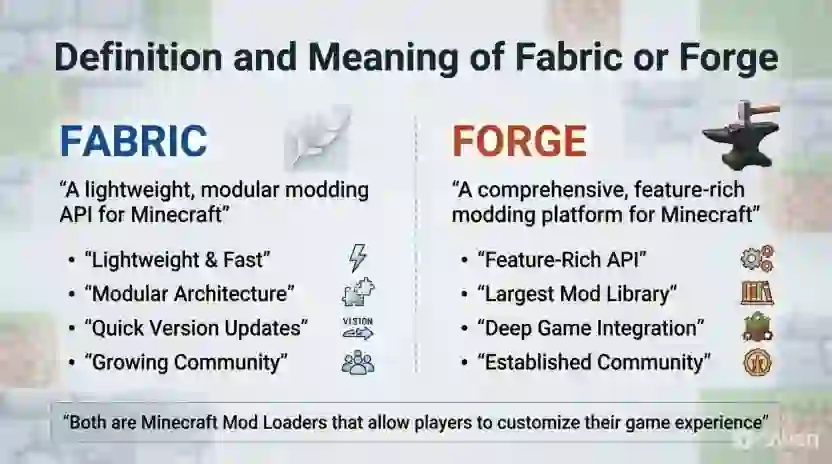
Definition and Meaning of Fabric or Forge
What Does Fabric Mean?
Fabric is a material made by weaving, knitting, or other methods. It is commonly used to make clothes and household items.
Examples include:
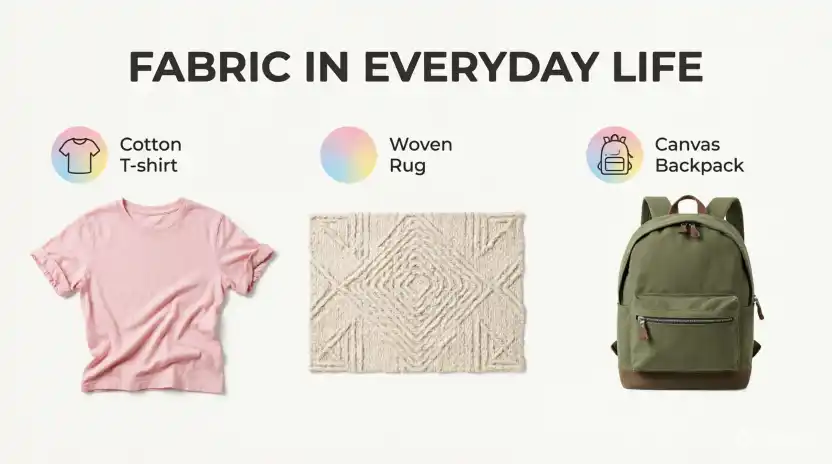
- Cotton fabric
- Silk fabric
- Wool fabric
- Polyester fabric
- Linen fabric
Example:
This shirt is made from cotton fabric.
The word fabric can also mean the basic structure of something.
For example:
The social fabric of the community is changing.
Here, fabric does not mean cloth. It means the way different parts of a society are connected.
What Does Forge Mean?
Forge has several meanings.
As a verb, forge can mean to shape metal by heating it and then hammering or pressing it.
Example:
The blacksmith forged the sword from iron.
A forge can also be the place or furnace where metal is heated and worked.
The word has another important meaning:
Someone tried to forge the signature.
Here, forge means to make a false copy or fake something with the intention of deception.
Forge Can Also Mean Build
In another context, forge means to develop or build something strong.
For example:
The two countries forged a strong partnership.
So, the meaning of forge depends on context.
The Origin of Fabric or Forge
Origin of Fabric
The word fabric comes from Latin roots related to making or constructing something. It entered English through French and developed meanings connected with material and structure.
Over time, fabric became strongly associated with cloth and textiles.
Today, the most common meaning is a material used to make clothing and other products.
The word can also keep its older idea of something being constructed. That is why we can talk about the fabric of society.
Origin of Forge
The word forge has a different history. It is connected to Old French and Latin words associated with a workshop or furnace used for working metal.
Its metalworking meaning developed around the idea of heating and shaping metal.
Later, forge gained figurative meanings. To forge a relationship means to build or create one. To forge a document means to make a false version.
These meanings are related by the idea of creating or shaping something.
Why Are Fabric and Forge Different?
They are not two spellings of the same word.
They are separate words with different origins and meanings.
That means you should choose the word based on what you want to say.
British English vs American English Spelling
There is no major British-American spelling difference between fabric and forge.
Both British English and American English use the same spellings.
| Meaning | British English | American English | Example |
| Cloth/material | fabric | fabric | The fabric is soft. |
| Metalworking place | forge | forge | The blacksmith works at a forge. |
| Shape metal | forge | forge | They forge metal tools. |
| Make something false | forge | forge | He tried to forge a signature. |
| Build/create | forge | forge | They forged a partnership. |
The spelling remains the same in both major varieties of English.
Fabric in British and American English
Both use:
fabric
Example:
The fabric is made from cotton.
Forge in British and American English
Both use:
forge
Example:
The worker used a forge to heat the metal.
Unlike words such as colour/color or centre/center, these words do not have a common British-American spelling difference.
Which Spelling Should You Use?
You should use fabric when you mean cloth or the structure of something.
Use forge when you mean metalworking, creating something false, or building something strong.
For US English
Use the standard spellings:
- fabric
- forge
For UK and Commonwealth English
Use the same spellings:
- fabric
- forge
For global English
Both words are widely understood.
Choose based on meaning, not regional spelling.
For academic writing
Be precise because the words have different meanings.
Correct:
The researcher examined the social fabric of the community.
Incorrect:
The researcher examined the social forge of the community.
For business writing
Forge is common in phrases such as:
The companies forged a new partnership.
Fabric may describe textiles or an organization’s structure:
The policy is part of the company’s organizational fabric.
Common Mistakes with Fabric or Forge
Mistake 1: Using Forge for Cloth
Incorrect:
This shirt is made from forge.
Correct:
This shirt is made from fabric.
Why?
Fabric means cloth or textile material.
Memory tip:
Think fabric = clothes.
Mistake 2: Using Fabric for Metalworking
Incorrect:
The blacksmith heated the metal in a fabric.
Correct:
The blacksmith heated the metal in a forge.
Why?
A forge is used to heat and shape metal.
Mistake 3: Confusing Forge With Fake
Incorrect:
He forged a new cotton shirt.
Correct:
He forged the signature.
When forge means to make something fake, it is normally connected with deception or unauthorized copying.
Mistake 4: Thinking Forge Always Means Metal
The word forge has more than one meaning.
It can mean:
- Shape metal
- Make a fake document or signature
- Build a relationship or agreement
Always check the context.
Fabric or Forge in Everyday Examples
In Emails
Fabric:
Please confirm which fabric you want for the curtains.
Forge:
The two teams hope to forge a strong partnership.
In Business Writing
Fabric:
The company uses high-quality fabric for its products.
Forge:
The companies plan to forge a long-term partnership.
In News Headlines
You may see:
Local Artist Creates New Fabric Collection
Or:
Two Nations Forge New Trade Agreement
The second headline uses forge in the sense of creating or building something.
On Social Media
A clothing post might say:
Love this soft cotton fabric!
A business post might say:
Proud to forge new partnerships with local businesses.
In Formal Writing
The fabric of the building was badly damaged.
Here, fabric means the physical structure of a building.
Another example:
The countries worked together to forge a lasting agreement.
Here, forge means create or build.
In Daily Conversation
What kind of fabric is this?
The blacksmith works in a forge.
They are trying to forge a strong friendship.
These examples show why context matters.
Fabric or Forge – Google Trends & Usage Data
People may search fabric or forge when they are unsure which word fits a sentence. However, these are not normally competing spellings.
Their search intent is mainly about meaning and word choice.
Why People Search Fabric
Searches involving fabric often relate to:
- Clothing
- Textiles
- Sewing
- Furniture
- Curtains
- Fashion
- Material types
- Interior design
Why People Search Forge
Searches involving forge may relate to:
- Blacksmithing
- Metalworking
- Tools
- Manufacturing
- Fake documents
- Signatures
- Relationships
- Partnerships
Exact Google Trends results depend on the country, date range, and search category. Without a specific Trends dataset, it would be misleading to give exact popularity numbers.
Modern usage also shows that forge has strong figurative uses. Phrases such as forge a partnership, forge an alliance, and forge a path are common in formal and news writing.
Fabric, meanwhile, remains strongly connected with clothing and textiles, while its figurative use appears in phrases such as the fabric of society.
Quick Comparison Table
| Word | Meaning | Correct? | Common Context | Example |
| Fabric | Cloth or textile | Yes | Clothing, sewing, furniture | The fabric is soft. |
| Fabric | Basic structure | Yes | Society, buildings | The social fabric changed. |
| Forge | Place for heating metal | Yes | Blacksmithing | He works in a forge. |
| Forge | Shape metal | Yes | Metalworking | They forge steel. |
| Forge | Make something false | Yes | Fraud, documents | He forged a signature. |
| Forge | Build or create | Yes | Relationships, agreements | They forged an alliance. |
The simplest difference
| Fabric | Forge |
| Usually a material | Usually an action or place |
| Commonly means cloth | Commonly relates to metalworking |
| Can mean structure | Can mean create or fake |
| Example: cotton fabric | Example: forge steel |
FAQs
1. What is the difference between fabric and forge?
Fabric usually means cloth or material. Forge usually means a place for working metal or the action of shaping metal. Forge can also mean to create something false or build something strong.
2. Is fabric a material?
Yes. Fabric commonly means a textile material made by weaving, knitting, or another process. Cotton, wool, silk, and linen are common types of fabric.
3. What does forge mean?
Forge can mean to heat and shape metal. It can also mean to make a fake document or signature, or to build something such as a relationship or agreement.
4. Is forge the same as fake?
Not always. Forge can mean to make something fake, especially a document or signature. But it can also mean shaping metal or creating a strong relationship.
5. Does fabric have a figurative meaning?
Yes. Fabric can describe the basic structure or connections within something. For example, the fabric of society means the relationships and structures that hold a society together.
6. Is there a British spelling of fabric or forge?
No. Fabric and forge have the same spelling in British and American English. The correct choice depends on meaning, not regional spelling.
7. Which word should I use for clothing?
Use fabric when talking about clothing material. For example, “This dress is made from soft fabric.” Forge is not used for clothing material.
Conclusion
Fabric and forge are completely different words, not different spellings of the same word. Fabric usually refers to cloth or textile material. It can also describe the basic structure of something, as in the fabric of society.
Forge has several meanings. It can refer to a place where metal is heated and worked. As a verb, it can mean to shape metal, create something false, or build something strong. For example, we can forge steel, forge a signature, or forge a partnership.
There is no major British-American spelling difference for either word. Both fabric and forge are spelled the same in US and UK English.
The best way to choose between them is to focus on meaning. If you mean cloth or material, choose fabric. If you mean metalworking, making something false, or building something strong, choose forge.
Remember: fabric is usually something you use, while forge is usually something you shape, create, or build.
Use these simple rules when writing, and you will avoid one of the most common word-choice errors.
Read more about!
- Bose or Beats: Which Headphones Should You Choose?
- CAPM vs PMP: Which Project Management Certification Wins?
- SUV or Truck: Which One Is Better for You?

I’m Olivia Parker, a grammar and English writing enthusiast passionate about making English simple and easy to understand. Through Wordsblog, I share clear explanations, useful grammar tips, and practical writing guidance to help readers write with confidence. My goal is to make learning English easier, one word at a time.


7 thoughts on “Fabric or Forge: What Is the Difference?”