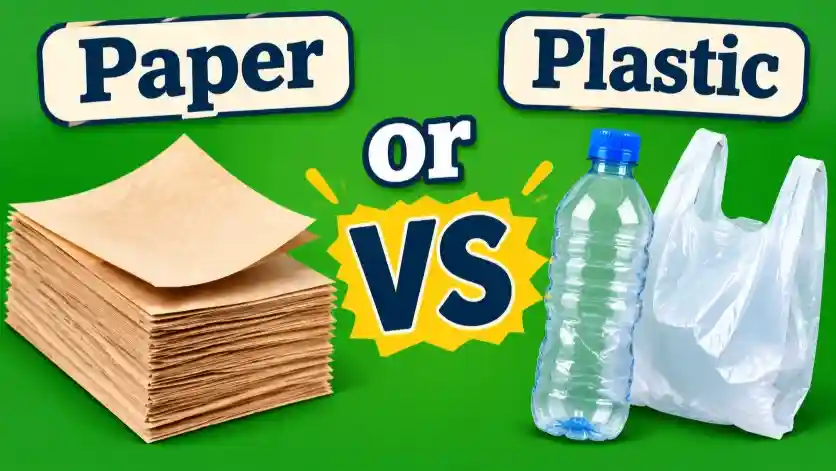
Paper and plastic bags both have advantages and disadvantages, but neither option is perfect for every situation. Paper bag are made from wood pulp and are generally easier to recycle in suitable recycl system. Plastic bags are lightweight, flexible, and resistant to water, but they can create long-lasting environmental pollution when they are not dispose of properly.
If you are choosing between paper or plastic, the best option depends on how you plan to use the bag, how often you reuse it, and what recycling facilities are available. This guide explains the differences between paper and plastic bags, their environmental impact, everyday uses, costs, and advantages.
Quick Answer: Paper vs. Plastic
- Paper bags: Made mainly from wood fibers. They are usually recyclable where suitable facilities exist and can carry many everyday shopping items.
- Plastic bags: Usually made from polyethylene. They are lightweight, flexible, water-resistant, and convenient for carrying groceries.
- Best for wet items: Plastic bags generally handle moisture better.
- Best for easier recycling: Paper bags are often accepte in standard paper recycling programs, provided they are clean and dry.
- Best overall choice: A reusable bag that you use repeatedly is often a better option than regularly replacing either type.
The environmental impact of both materials depends on manufacturing, transportation, reuse, and disposal.
What Is a Paper Bag?
A paper bag is a type of packaging made from paper, usually produced from wood pulp. Manufacturers process wood fibers into paper sheets and turn them into bags of different shapes and sizes.
Paper bags are commonly use in grocery stores, clothing shop, restaurant, and retail businesses.
Common features of paper bags:
- Made primarily from paper fibers.
- Available in different sizes and thicknesses.
- Can be printe with logos and designs.
- Often recyclable through paper recycling programs.
- Can tear or weaken when wet.
- May be reuse for shopping or storage.
Paper bags are popular with businesses that want an alternative to conventional plastic packaging.
What Is a Plastic Bag?
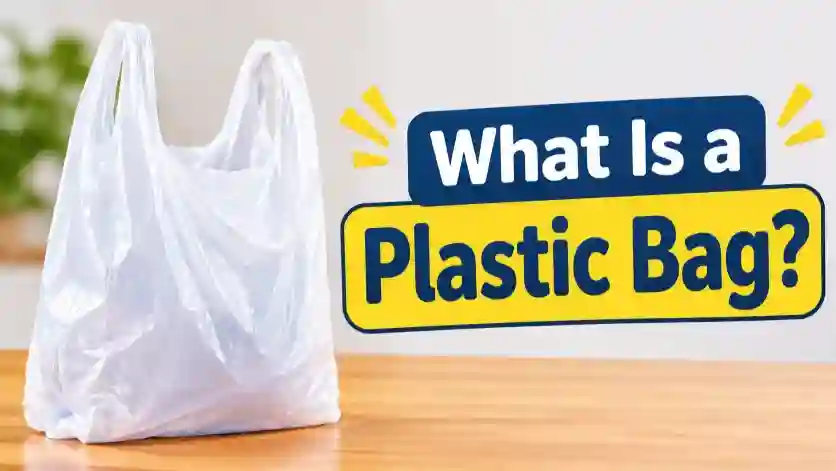
A plastic bag is a flexible container made from synthetic plastic materials. Most everyday shopping bag are made from polyethylene.
Plastic bags are widely use in supermarkets, convenience stores, pharmacies, and retail shops.
Common features of plastic bags:
- Lightweight and flexible.
- Resistant to water.
- Easy to carry and store.
- Often less bulky than paper bags.
- Can stretch under weight.
- May be difficult to recycle through ordinary household recycling collections.
Plastic bags are convenient because they take up little space and can carry a variety of products.
Paper vs. Plastic: Key Differences
| Feature | Paper Bags | Plastic Bags |
| Main material | Paper fibers | Usually polyethylene |
| Weight | Generally heavier | Generally lighter |
| Water resistance | Low | High |
| Flexibility | Less flexible | More flexible |
| Strength | Depends on paper thickness | Depends on plastic type and thickness |
| Reusability | Can be reused if kept dry and intact | Can often be reused several times |
| Recycling | Often accepted in paper recycling | Depends on local facilities |
| Storage | Takes up more space | Easy to fold and store |
| Environmental concerns | Manufacturing uses resources and energy | Fossil-fuel use and plastic pollution |
| Common uses | Retail, groceries, takeaway packaging | Groceries, retail, packaging |
Neither material is automatically the better choice in every category.
Environmental Impact: Paper or Plastic?
The environmental impact of paper and plastic bags is more complicated than simply comparing natural and synthetic materials.
Both require resources and energy to manufacture. Their overall impact also depends on how often they are reuse and what happens after use.
1. Manufacturing
Paper bag are generally made from wood fiber. Producing them requires trees or recycled paper, water, and energy.
Plastic bag are commonly manufacture from fossil-fuel-based materials. Their production uses energy and other resources.
The environmental impact of either material depends on its manufacturing process and source materials.
2. Recycling
Paper bags are commonly recyclable when they are clean and dry. However, wet, greasy, or food-contaminated paper may not be accepted.
Plastic shopping bags can be recycled through certain specialist collection programs. Many household recycling systems do not accept them in ordinary recycling bins because they can cause problems in sorting equipment.
3. Pollution
Paper can break down more readily under suitable environmental conditions. However, this does not mean paper production has no environmental cost.
Plastic can remain in the environment for a long time and can break into smaller pieces called microplastics. Plastic litter can also harm wildlife.
4. Reuse
Reusing a bag helps reduce the need to manufacture new bags. However, the number of times it must be reused to offset its production impact depends on the material, bag design, and environmental measure being considered.
Advantages of Paper Bags
Paper bags offer several benefits for shopping and packaging.
1. Often Easier to Recycle
Many recycling programs accept clean paper bags with other paper products. This makes them convenient for households with access to paper recycling.
2. Suitable for Branding
Businesses can print logos, product information, and promotional messages on paper bags. Their surface also gives many brands a natural-looking appearance.
3. Made from Renewable Resources
Paper can be produced from responsibly managed forests and recycled fibers. These sources can help reduce dependence on virgin materials.
4. Can Be Reused
Paper bags can be reused for carrying groceries, storing lightweight items, or organizing household products as long as they remain in good condition.
Disadvantages of Paper Bags
Paper bags also have limitations.
1. They Can Tear
Paper bags may tear when carrying heavy or sharp objects, especially if the paper becomes damaged.
2. They Are Not Water-Resistant
Rain, spills, and wet groceries can weaken paper fibers. This makes paper bags less suitable for carrying leaking or very wet items.
3. They Can Be Bulky
Paper bags generally take up more storage space than thin plastic bags, even when folded.
4. Production Requires Resources
Making paper bags requires wood fibers, water, and energy. A paper bag is not automatically environmentally friendly simply because it is made from paper.
Advantages of Plastic Bags
Plastic bags are popular because they are practical and convenient.
1. Lightweight
Plastic bags are easy to carry and transport. Their low weight also makes them convenient for storing large quantities of shopping bags.
2. Water-Resistant
Unlike ordinary paper bags, plastic bags generally resist water. This makes them useful for carrying damp products and groceries.
3. Flexible and Convenient
Plastic bags can stretch around different shapes and fit easily into small storage spaces.
4. Useful for Reuse
Some plastic bags can be reused for shopping, household storage, or waste collection, depending on their condition and intended use.
Disadvantages of Plastic Bags
Plastic bags have several disadvantages, particularly when they are used once and discarded.
1. Plastic Pollution
Plastic bags can become litter and enter rivers, oceans, and other natural environments. They may harm animals that swallow or become entangled in plastic waste.
2. Recycling Can Be Difficult
Many plastic shopping bags require separate collection and specialist recycling facilities. They should not automatically be placed in household recycling bins.
3. Dependence on Fossil Fuels
Most conventional plastic bags are made using fossil-fuel-based materials.
4. Long-Term Environmental Persistence
Plastic can remain in the environment for many years. Over time, it may break into smaller plastic particles rather than disappearing completely.
Which Is Better for Grocery Shopping?
The better choice depends on what you are buying.
| Shopping Situation | Better Option | Reason |
| Carrying dry groceries | Either | Both can work |
| Carrying wet products | Plastic | Better water resistance |
| Carrying heavy items | Strong reusable bag | Better durability |
| Carrying clothing | Either | Both are suitable |
| Storing small items | Plastic | Flexible and compact |
| Repeated shopping trips | Reusable bag | Reduces the need for new bags |
For regular grocery shopping, a durable reusable bag can be a practical alternative to both single-use paper and plastic bags.
Paper or Plastic: Which Is More Environmentally Friendly?
There is no universal answer. Environmental comparisons often consider several factors:
- Greenhouse gas emissions.
- Water and energy consumption.
- Raw material use.
- Transportation weight.
- Number of times a bag is reused.
- Recycling and disposal options.
Paper bags may have advantages in some disposal and litter situations, while lightweight plastic bags can require fewer resources during transportation. However, plastic pollution remains a major environmental concern.
A reusable bag can reduce the need for single-use packaging when it is used enough times. The best choice depends on the bag’s material and how frequently it is reused.
Common Mistakes When Comparing Paper and Plastic
| Common Mistake | Correct Explanation |
| Paper bags have no environmental impact. | Paper production uses resources and energy. |
| Plastic bags cannot be recycled. | Some plastic bags can be recycled through specialist programs. |
| Paper bags are always stronger. | Strength depends on material thickness and construction. |
| Plastic bags are always cheaper overall. | Costs vary by material, manufacturing, and location. |
| One paper bag is always better than one plastic bag. | Their environmental impacts depend on several factors. |
| Reusable bags have no environmental impact. | They also require resources to manufacture. |
Understanding these differences helps consumers make more informed decisions.
Key Takeaways
- Paper bags are made mainly from paper fibers.
- Plastic bags are usually made from polyethylene.
- Paper bags are often accepted in standard paper recycling programs.
- Plastic bags are lightweight, flexible, and water-resistant.
- Both materials require resources and energy to manufacture.
- Plastic pollution can harm wildlife and natural environments.
- Paper bags can weaken when wet.
- Reusable bags can be a practical option when used repeatedly.
- The best choice depends on use, reuse, and local recycling facilities.
Frequently Asked Questions
1. Is paper or plastic better for the environment?
Neither is always better. Their environmental impacts depend on manufacturing, transportation, reuse, and disposal. Reusing bags can help reduce demand for new ones.
2. Are paper bags stronger than plastic bags?
Not necessarily. Thick paper bags can carry many shopping items, but plastic bags can stretch and handle moisture better. Strength depends on the bag’s design and material.
3. Are paper bags recyclable?
Yes. Clean and dry paper bags are generally accepted in many paper recycling programs. Local recycling rules may vary.
4. Can plastic shopping bags be recycled?
Yes, some plastic shopping bags can be recycled through specialist collection programs. Check local instructions before recycling them.
5. Which bag is better for carrying groceries?
Both can carry groceries. Plastic bags are useful for wet products, while strong paper bags can work well for dry shopping.
6. Why are paper bags more expensive in some stores?
Paper bags may cost more because of their materials, manufacturing processes, and construction. Actual prices depend on the supplier and location.
7. Do paper bags decompose faster than plastic bags?
Paper generally breaks down more readily under suitable conditions. Plastic can persist in the environment for much longer.
8. Can paper bags get wet?
Yes. Paper absorbs moisture, which can weaken its structure and make it more likely to tear.
9. Can plastic bags be reused?
Yes. Clean plastic bags can often be reused for shopping or household purposes, provided they remain in good condition.
10. What is the best alternative to paper and plastic bags?
Durable reusable bags made from suitable materials can be a good alternative when used repeatedly. Their environmental benefits depend on how often they are used and how they are eventually disposed of.
Conclusion
Paper or plastic is not a simple choice because both materials have benefits and drawbacks. Paper bags are often easier to recycle through standard paper collection systems, while plastic bags are lightweight, flexible, and better at resisting water. However, paper production uses natural resources, and plastic waste can remain in the environment for a long time.
If you shop regularly, consider carrying a durable reusable bag and using it repeatedly. If you need a single-use bag, think about the products you are carrying and the recycling options available in your area. Making thoughtful choices and avoiding unnecessary waste are more important than assuming one material is always better.
Read more about!
- Leapt or Lept: Which Spelling Is Correct?
- Collectables or Collectibles: Which Spelling Is Correct?
Radiuses or Radii: Which Is Correct?

I’m Olivia Parker, a grammar and English writing enthusiast passionate about making English simple and easy to understand. Through Wordsblog, I share clear explanations, useful grammar tips, and practical writing guidance to help readers write with confidence. My goal is to make learning English easier, one word at a time.








3 thoughts on “Paper or Plastic: Which Is Better for Shopping Bags?”